
Resurrection Rolls: A Story in Baking
Resurrection Rolls beautifully illustrate the Easter story for families‚ especially children‚ offering a delicious and memorable way to connect with scripture.
Many resources‚ including PDF recipes from sites like Simple Purposeful Living‚ provide easy-to-follow instructions for this impactful tradition.
These rolls symbolize Jesus’ burial and resurrection‚ making them a powerful teaching tool during Easter celebrations and beyond.
The Significance of Resurrection Rolls
Resurrection Rolls transcend a simple baking activity; they are a tangible representation of faith and a powerful storytelling device‚ particularly effective when shared with children. The act of creating these rolls becomes a lesson in itself‚ vividly illustrating the core narrative of Easter.
Numerous PDF resources‚ like those found on Simple Purposeful Living‚ emphasize the rolls’ ability to connect the baking process to the biblical account of Jesus’ burial and resurrection. They aren’t merely a sweet treat‚ but a visual aid‚ fostering a deeper understanding of the empty tomb and the hope it represents.
This tradition encourages families to actively engage with scripture‚ specifically John 19:1-3‚ while simultaneously creating a lasting Easter memory.
Historical Context of the Easter Tradition
While the Resurrection Roll itself is a relatively modern tradition‚ gaining popularity through Christian households and social media in recent decades‚ it builds upon centuries-old Easter customs. The celebration of Easter dates back to ancient spring festivals symbolizing rebirth and renewal.
The symbolic representation of the empty tomb‚ central to the roll’s meaning‚ directly reflects the foundational belief of Christianity – Jesus’ resurrection. PDF recipes and accompanying stories‚ like those shared online‚ often highlight this connection.
The practice of using food to symbolize religious events is also deeply rooted in history‚ making the Resurrection Roll a fitting continuation of this tradition.
The Symbolic Representation of the Empty Tomb
The Resurrection Roll powerfully visualizes the core message of Easter: Jesus’ resurrection. The initial filled roll represents Jesus’ body placed in the tomb. As it bakes‚ the marshmallow inside melts‚ leaving an empty space – mirroring the empty tomb discovered on Easter morning.
Many PDF recipe resources emphasize this symbolism‚ encouraging families to discuss the story while baking. This hands-on experience helps children grasp the concept of resurrection in a tangible way.
The disappearing marshmallow becomes a potent reminder of Jesus’ triumph over death and the hope of eternal life.

The Recipe: Ingredients and Preparation
Resurrection Rolls require simple ingredients: crescent roll dough‚ marshmallows‚ cinnamon-sugar‚ and melted butter. PDF recipes detail precise measurements and preparation steps for a successful bake.
Core Ingredients: Crescent Roll Dough
Crescent roll dough forms the foundational “tomb” in this symbolic recipe. Most PDF recipes readily available online utilize pre-made dough for convenience‚ simplifying the baking process‚ especially when preparing with children.
The dough’s shape‚ when rolled and sealed‚ represents the sealed tomb where Jesus was laid to rest. Its flaky texture provides a delightful contrast to the sweet filling.
Ensure the dough is at room temperature for easier handling and optimal rising during baking‚ as detailed in many downloadable recipe guides.
The Sweet Filling: Marshmallows
Marshmallows represent Jesus’ body within the tomb‚ a central element in the Resurrection Rolls story. Numerous PDF recipes emphasize using standard-sized marshmallows‚ one per roll‚ to symbolize each individual’s connection to the narrative.
As the rolls bake‚ the marshmallows melt‚ creating the “empty tomb” effect‚ visually demonstrating the resurrection. Their sweetness adds a pleasant flavor contrast to the cinnamon-sugar mixture.
The melting process is key to the symbolism‚ making marshmallows an essential ingredient.
Spice Blend: Cinnamon and Sugar
The cinnamon and sugar mixture in Resurrection Rolls isn’t merely for flavor; it represents the spices used to anoint Jesus’ body for burial‚ a detail often highlighted in PDF recipe introductions.
Recipes consistently call for a blend of approximately one tablespoon of cinnamon with ¼ cup of sugar‚ creating a fragrant and sweet coating for the dough.
This aromatic layer adds depth to the symbolism‚ connecting the baking process to ancient burial customs.
Butter Component: Melted Butter
Melted butter plays a crucial role in Resurrection Rolls‚ acting as a binding agent for the cinnamon-sugar mixture and contributing to the rolls’ golden-brown crust.
Most PDF recipes specify ¼ cup of melted butter‚ brushed generously over the rolled-out crescent dough before sprinkling with the spice blend.
This step isn’t just about taste; it symbolizes the linens used to wrap Jesus’ body‚ preparing him for placement in the tomb‚ enhancing the story’s narrative.

Step-by-Step Baking Instructions
Baking instructions‚ often found in PDF recipes‚ guide you through preheating‚ assembly‚ and baking these symbolic rolls‚ revealing the “empty tomb” effect.
Follow each step carefully for a meaningful Easter experience!
Preheating the Oven and Preparing the Baking Sheet
Before beginning‚ preheat your oven to 350°F (175°C) – a crucial first step detailed in many PDF resurrection roll recipes.
Line a baking sheet with parchment paper; this prevents sticking and ensures easy removal of the finished rolls.
Carefully review the PDF recipe for specific baking sheet size recommendations‚ as this impacts even baking.
Preparing these elements beforehand streamlines the assembly process‚ allowing you to focus on the story and symbolism as you bake!
A well-prepared baking sheet is essential for a successful resurrection roll experience.
Assembling the Rolls: Dough‚ Filling‚ and Spice
Following a PDF recipe‚ unroll the crescent roll dough and separate into triangles. Place one marshmallow in the center of each triangle – representing Jesus’ body.
Combine cinnamon and sugar‚ as indicated in your chosen PDF‚ and generously sprinkle over the marshmallow-filled dough.
Carefully roll up each triangle‚ starting from the base‚ to enclose the filling.
Place the rolls‚ seam-side down‚ on the prepared baking sheet‚ ready for their transformation.
This assembly process visually represents the burial of Jesus.
Baking Process and Temperature Control
PDF recipes consistently recommend preheating the oven to 350°F (175°C) for optimal baking. Place the assembled rolls onto a parchment-lined baking sheet to prevent sticking.
Bake for approximately 12-15 minutes‚ closely monitoring to prevent excessive browning. The goal is to melt the marshmallows without burning the dough.
Temperature control is crucial; a slightly lower temperature may be needed depending on your oven.
As they bake‚ the marshmallows will expand‚ then seemingly disappear‚ mirroring the empty tomb.
The Transformation: From Filled to Empty
The magic of Resurrection Rolls lies in their visual transformation. Initially filled with marshmallows representing Jesus’ body‚ they undergo a remarkable change during baking.
As the rolls bake‚ the marshmallows melt into the dough‚ leaving an empty space within – a powerful symbol of the empty tomb.
PDF guides emphasize this moment as a key teaching point‚ illustrating Jesus’ resurrection.
This visual aid helps children grasp the concept of the empty tomb and the hope of new life‚ making the Easter story tangible.

The Storytelling Aspect: Connecting to Scripture
Resurrection Rolls enhance the Easter narrative‚ with many PDF recipes suggesting reading John 19:1-3 during preparation‚ linking baking to Jesus’ burial.
Reading John 19:1-3 During Preparation
Reading John 19:1-3 while assembling Resurrection Rolls powerfully connects the baking process to the biblical account of Jesus’ crucifixion. Many PDF recipes and online guides specifically recommend this practice.
This scripture details Pilate’s condemnation of Jesus and the events leading to his crucifixion‚ setting the stage for understanding the symbolism within the rolls.
As you prepare each roll‚ reflecting on these verses deepens the experience‚ transforming a simple baking activity into a meaningful spiritual exercise for individuals and families.
Relating the Baking Process to Jesus’ Burial
The act of wrapping the marshmallow in crescent roll dough mirrors Jesus’ body being wrapped in linen cloths and placed in the tomb. Many PDF guides for Resurrection Rolls emphasize this parallel.
The sealed dough represents the stone rolled in front of the tomb’s entrance‚ signifying a temporary closure and the appearance of finality.
This tangible representation helps children (and adults!) grasp the solemnity of Jesus’ burial‚ setting the stage for the joyous revelation of the empty tomb.
The Empty Tomb Revelation: A Visual Aid
As the Resurrection Rolls bake‚ the marshmallow melts‚ leaving an empty space within the dough – a powerful visual representation of the empty tomb! Many PDF recipes highlight this key moment.
This dramatic transformation vividly illustrates the core message of Easter: Jesus is not in the tomb‚ He has risen!
The empty space serves as a tangible reminder of the resurrection’s miraculous nature‚ making the abstract concept of faith more accessible‚ especially for younger learners.
Variations and Adaptations of the Recipe
Resurrection Roll recipes‚ often found in PDF format‚ can be adapted for dietary needs‚ like gluten-free options‚ or customized with different extracts.
Adjusting sweetness levels is also common!
Gluten-Free Resurrection Roll Options
Adapting the Resurrection Roll recipe for gluten sensitivities requires substituting the traditional crescent roll dough. Many PDF recipe resources suggest using gluten-free crescent roll dough‚ readily available in most grocery stores.
Alternatively‚ homemade gluten-free dough can be utilized‚ though this adds complexity. Ensure all ingredients‚ including the cinnamon-sugar mixture‚ are certified gluten-free to avoid cross-contamination.
The marshmallow filling remains unchanged‚ maintaining the symbolic representation of Jesus’ body. Successfully creating gluten-free rolls ensures everyone can participate in this meaningful Easter tradition!
Adjusting Sweetness Levels
Resurrection Roll sweetness is easily customized to suit preferences. Many PDF recipes offer a base level‚ but reducing the sugar in the cinnamon-sugar mixture is simple. Start by decreasing the sugar by a tablespoon or two‚ tasting as you go.
For a less sweet roll‚ consider using a sugar substitute‚ ensuring it holds up during baking. Remember‚ the marshmallows already contribute significant sweetness‚ so moderation is key.
Adjusting sweetness maintains the symbolic meaning while catering to individual tastes‚ making the experience enjoyable for all!
Adding Flavor Extracts (Vanilla‚ Almond)
Resurrection Roll flavor profiles can be subtly enhanced with extracts! A teaspoon of vanilla extract added to the melted butter mixture complements the cinnamon and marshmallow beautifully. Almond extract‚ used sparingly – about ½ teaspoon – offers a unique‚ delicate twist.
Many PDF recipes don’t include extracts‚ leaving room for personalization. Be cautious not to overpower the core flavors representing the Easter story.
Extracts add depth without altering the symbolic representation of the empty tomb.
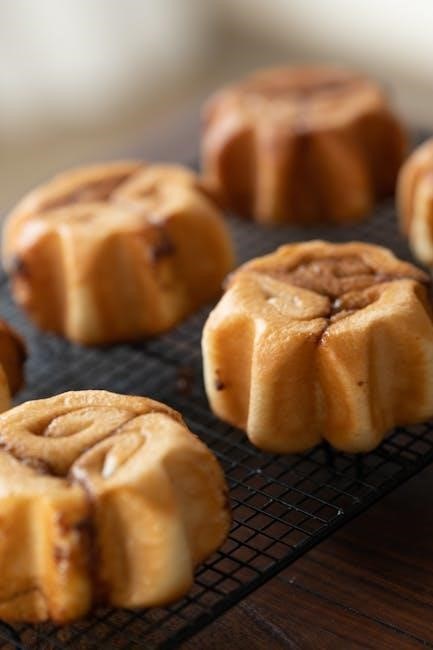
Resurrection Rolls in Children’s Ministry
Resurrection Rolls are a fantastic hands-on tool to teach the Easter story! PDF recipes aid in illustrating Jesus’ burial and resurrection vividly for kids.
They engage children’s senses and create a memorable learning experience.
Using Rolls as a Teaching Tool
Resurrection Rolls transcend a simple baking activity; they become a powerful‚ tangible lesson in faith for children. Utilizing readily available PDF recipes‚ like those found on Simple Purposeful Living‚ allows ministry leaders to easily incorporate this into lessons.
The process visually represents Jesus’ burial – the marshmallow symbolizing His body placed in the tomb (dough).
As the rolls bake‚ the marshmallow disappears‚ mirroring the empty tomb on Easter morning‚ powerfully demonstrating the resurrection. This sensory experience solidifies the biblical narrative‚ making it relatable and memorable for young learners‚ fostering a deeper understanding of Easter’s core message.
Engaging Children with the Easter Narrative
Resurrection Rolls offer a uniquely interactive way to immerse children in the Easter story‚ moving beyond simply telling it. Accessible PDF recipes‚ like those shared online‚ empower parents and educators to lead this experience.
Before baking‚ reading John 19:1-3 sets the scene‚ connecting the activity to scripture.
The hands-on preparation – assembling the rolls – actively engages children‚ while the baking process visually represents Jesus’ burial and resurrection‚ fostering a deeper emotional and spiritual connection to the narrative.
Hands-on Learning and Sensory Experience
Resurrection Rolls provide a powerful multi-sensory learning experience for children‚ far beyond a traditional lesson. Easily found PDF recipes guide the process‚ making it accessible for all skill levels.
The tactile experience of handling dough and marshmallows‚ the sweet aroma during baking‚ and the visual surprise of the “empty tomb” all contribute to a memorable lesson.
This kinesthetic approach solidifies understanding of the Easter story‚ making it more impactful and lasting than simply reading about it.
Resurrection Rolls as a Family Tradition
Resurrection Rolls‚ often using PDF recipes‚ become cherished Easter traditions‚ fostering connection and faith within families.
Sharing this story and baking together creates lasting memories for generations to come‚ year after year.
Creating Lasting Easter Memories
Resurrection Rolls offer a unique opportunity to build cherished Easter memories with loved ones‚ blending faith and fun in the kitchen. Utilizing a PDF recipe‚ like those found on Simple Purposeful Living‚ simplifies the process‚ allowing families to focus on the story.
The hands-on experience of assembling the rolls‚ reading scripture (John 19:1-3)‚ and witnessing their transformation into “empty tombs” creates a powerful and lasting impression. These rolls aren’t just a treat; they’re a tangible representation of the resurrection story‚ sparking meaningful conversations and strengthening family bonds for years to come.
Incorporating the Rolls into Easter Brunch
Resurrection Rolls are a delightful addition to any Easter brunch‚ seamlessly blending a sweet treat with a powerful spiritual message. Easily prepared using a PDF recipe – readily available online – they complement traditional brunch fare beautifully.
Serving these rolls alongside other breakfast or brunch items provides a natural opportunity to share the story of Jesus’ resurrection. The visual representation of the empty tomb‚ created during baking‚ sparks conversation and reinforces the meaning of Easter‚ making brunch more than just a meal—it’s a celebration of faith.
Sharing the Story with Future Generations
Resurrection Rolls become a cherished family tradition when the story behind them is passed down through generations. Utilizing a readily available PDF recipe ensures consistency‚ allowing each family member to participate in creating this meaningful symbol.
By actively involving children in the baking process and recounting the narrative of Jesus’ burial and resurrection‚ you instill a lasting appreciation for the Easter story. This hands-on experience fosters faith and creates beautiful‚ shared memories that will endure for years to come.

Troubleshooting Common Issues
Resurrection Rolls can sometimes present baking challenges; PDF recipes often include tips for proper rising‚ marshmallow melting‚ and even baking.
Adjust oven temperature and baking time to ensure perfect results!
Rolls Not Rising Properly
Rolls failing to rise can be disheartening‚ but several factors contribute to this issue. Ensure your crescent roll dough is fresh; expired dough won’t rise adequately.
Temperature plays a crucial role – a warm environment encourages yeast activity. Many PDF recipes suggest a slightly warmed kitchen.
Avoid overhandling the dough‚ as this can deflate it. Gently assemble the rolls‚ and don’t press down too firmly. Check your oven temperature for accuracy‚ as a too-cool oven hinders rising.
Finally‚ remember that the marshmallow filling adds weight‚ potentially impacting the rise.
Marshmallows Melting Too Quickly
Rapid marshmallow melting is a common concern when baking Resurrection Rolls. Oven temperature is the primary culprit; ensure it’s accurately set to 350°F (175°C).
Using larger marshmallows can offer a slightly slower melt‚ providing a more defined “empty tomb” effect.
Some PDF recipes suggest briefly chilling the assembled rolls before baking to firm up the marshmallows.
Avoid overbaking‚ as this accelerates melting. Monitor closely‚ and remove the rolls when the dough is golden brown‚ even if some marshmallow is visible.
Uneven Baking and Browning
Uneven baking in Resurrection Rolls often stems from inconsistent oven heat distribution. Rotating the baking sheet halfway through the baking process is crucial for even browning.
Ensure your oven is properly calibrated; an oven thermometer is a helpful tool.
PDF recipes frequently recommend using parchment paper to prevent sticking and promote even heat transfer.
Avoid overcrowding the baking sheet‚ allowing sufficient space for air circulation around each roll for consistent results.

Resurrection Rolls and Easter Symbolism
Resurrection Rolls powerfully symbolize the empty tomb‚ with the melted marshmallow representing Jesus’ body and the dough signifying his burial cloth.
PDF recipes often include scripture‚ enhancing the symbolic connection to the Easter story.
The Crescent Roll as a Symbol of Life
Crescent roll dough‚ in its initial form‚ represents the life that Jesus possessed before his crucifixion. These rolls‚ readily available and easy to work with‚ become a tangible symbol of that earthly existence.
Many PDF recipes emphasize this symbolism‚ encouraging families to discuss the meaning behind each ingredient as they prepare the rolls together.
The shape itself‚ often curved‚ can be interpreted as representing the wrapping of Jesus’ body for burial‚ a crucial element of the Easter narrative. The dough’s potential for rising mirrors the promise of resurrection and new life.
The Marshmallow Representing Jesus’ Body
The marshmallow‚ placed within the crescent roll‚ poignantly symbolizes Jesus’ body. Its soft‚ white form represents purity and sacrifice‚ central themes of the Easter story. As the rolls bake‚ the marshmallow melts‚ creating the “empty tomb.”
PDF recipes often highlight this aspect‚ prompting reflection on Jesus’ physical suffering and ultimate sacrifice.
This visual representation powerfully conveys the idea of Jesus’ body being laid in the tomb and then‚ miraculously‚ being absent after the resurrection‚ a cornerstone of Christian faith.
The Empty Space: The Power of Resurrection
The resulting empty space within the baked roll is the most impactful symbol‚ representing Jesus’ resurrection – the tomb being found empty on Easter morning. This visual powerfully demonstrates the core belief of Christianity: Jesus conquered death!
Many PDF recipes emphasize pausing to discuss this moment‚ connecting the baking process directly to scripture.
It’s a tangible illustration of hope and new life‚ making the abstract concept of resurrection accessible and meaningful‚ especially for children learning the Easter story.

Finding Resurrection Roll Recipes Online (PDFs)
Simple Purposeful Living offers a readily available PDF recipe‚ alongside numerous blogs and websites sharing variations of this meaningful Easter tradition.
Printable recipe cards simplify preparation!
Simple Purposeful Living Recipe
Simple Purposeful Living provides a user-friendly Resurrection Rolls recipe‚ often available as a convenient PDF download. This resource emphasizes the rolls’ dual purpose: a delightful treat and a powerful illustration of the Easter story for children.
The recipe details the simple ingredients – crescent roll dough‚ marshmallows‚ cinnamon-sugar mixture‚ and melted butter – and clear‚ step-by-step instructions.
It highlights incorporating John 19:1-3 during preparation‚ connecting the baking process to Jesus’ burial and subsequent resurrection‚ making it a truly meaningful tradition.
Other Online Resources for Recipes
Beyond Simple Purposeful Living‚ numerous websites offer Resurrection Roll recipes‚ frequently in PDF format for easy printing and sharing. Many blogs and Christian ministry sites feature variations‚ catering to different dietary needs or preferences.
These resources often include accompanying devotionals or scripture readings‚ enhancing the spiritual significance of the baking activity.
Searching online reveals a wealth of options‚ allowing families to find a recipe that best suits their needs and deepen their understanding of the Easter narrative.
Printable Recipe Cards and PDFs
Many websites specializing in family-friendly recipes offer beautifully designed‚ printable recipe cards for Resurrection Rolls‚ often available as convenient PDF downloads.
These cards typically include a list of ingredients‚ step-by-step instructions‚ and sometimes even a brief explanation of the symbolism behind the rolls.
Having a printed copy allows for easy reference in the kitchen and serves as a cherished keepsake‚ preserving this meaningful Easter tradition for years to come.

The Cultural Impact of Resurrection Rolls
Resurrection Rolls have gained popularity within Christian households‚ spreading through social media and blogs as a modern Easter custom.
PDF recipes facilitate sharing this tradition‚ reinforcing its cultural significance.
Popularity in Christian Households
Resurrection Rolls have become a cherished tradition in numerous Christian households‚ particularly around Easter time. Their appeal lies in the unique blend of a tasty treat and a powerful visual representation of the resurrection story.
Families actively seek out PDF recipe versions online‚ like those from Simple Purposeful Living‚ to easily incorporate this meaningful activity into their celebrations.
The rolls aren’t just about baking; they’re about storytelling and creating lasting memories centered around faith‚ making them a beloved annual ritual.
Spread Through Social Media and Blogs
The popularity of Resurrection Rolls has significantly expanded thanks to platforms like social media and dedicated food blogs. Numerous websites now feature recipes‚ often available as convenient PDF downloads‚ like those found on Simple Purposeful Living.
Sharing photos and stories of families making and enjoying these rolls has created a viral effect‚ introducing the tradition to wider audiences.
Bloggers highlight the rolls’ educational value‚ solidifying their place as a modern Easter custom.
A Modern Easter Custom
Resurrection Rolls have rapidly become a cherished part of many Christian households’ Easter celebrations‚ evolving into a contemporary tradition. The accessibility of recipes‚ often shared as easily printable PDF guides – like those from Simple Purposeful Living – has fueled this growth.
This custom uniquely blends faith-based storytelling with a hands-on baking activity‚ appealing to families seeking meaningful Easter experiences.
The rolls’ symbolic representation resonates deeply‚ solidifying their place in modern Easter observances.

Celebrating Resurrection Sunday
Resurrection Rolls enhance Easter gatherings‚ reminding us of Christ’s triumph! Share the story—PDF recipes aid preparation—and joyfully proclaim‚ “Christ is risen!”
Christ is Risen! – The Easter Greeting
“Christ is Risen!” – the jubilant cry echoing through generations‚ encapsulates the heart of Easter. Sharing Resurrection Rolls amplifies this message‚ visually representing the empty tomb and Jesus’ glorious victory over death.
Many families incorporate these rolls into their celebrations‚ using readily available PDF recipes to simplify preparation. As you greet loved ones‚ remember the powerful symbolism baked into each sweet bite. It’s a tangible way to share the Easter story and reinforce faith.
Let the aroma and taste of these rolls be a reminder of hope and new life‚ strengthening bonds and creating lasting Easter memories.
Gathering with Family and Friends
Easter is a time for joyful reunions‚ and Resurrection Rolls provide a wonderful centerpiece for these gatherings. Sharing this tradition fosters connection and creates a shared experience centered around faith;
Numerous online resources‚ including convenient PDF recipes from sites like Simple Purposeful Living‚ make baking accessible for everyone. As you assemble and bake‚ discuss the story they represent – Jesus’ burial and triumphant resurrection.
These rolls aren’t just a treat; they’re a conversation starter‚ strengthening family bonds and deepening understanding of the Easter narrative.
Reflecting on the Meaning of Easter
Easter’s core message – hope‚ renewal‚ and the victory over death – is profoundly embodied in the Resurrection Rolls tradition. As you enjoy these symbolic treats‚ take time to contemplate the sacrifice and resurrection of Jesus Christ.
Many readily available PDF recipes‚ like those found on Simple Purposeful Living‚ encourage incorporating scripture reading‚ such as John 19:1-3‚ during preparation.
The empty space within the roll serves as a powerful visual reminder of the empty tomb‚ prompting reflection on the profound significance of Easter.