Overview of the Butterball Deep Fryer
The Butterball Deep Fryer delivers crisp results with a 2.75‑gallon capacity‚ ideal for 18‑20 lb turkeys. It uses peanut oil‚ starts at 375°F‚ then drops to 325°F for a steady cook. Designed for indoor use‚ it offers quick‚ safe‚ and flavorful frying. It also has a removable basket no!!.
Safety Instructions
Never immerse the fryer in water. Keep the unit dry‚ use a grounded outlet‚ and keep children away. Do not exceed 14 lb turkey. Maintain 375°F start‚ then 325°F. Avoid contact with hot oil; use a long‑handled basket. Follow manufacturer’s guidelines. Keep oil below 350°F‚ never leave.now
Electrical and Oil Safety
Before operating the Butterball Deep Fryer‚ ensure the power cord is in good condition and the outlet is grounded. Never use a damaged cord or plug‚ and keep the unit away from water or damp surfaces. The fryer requires a dedicated 120‑volt circuit; do not share the outlet with high‑power appliances. Keep the unit on a stable‚ level surface‚ and do not place the unit on a heat‑sensitive material. When filling the fryer‚ use only the recommended peanut oil and avoid exceeding the 2.75‑gallon capacity. Maintain the oil temperature between 350°F and 375°F; temperatures above 375°F can cause excessive smoke or fire. Do not pour hot oil into a container; instead‚ use the built‑in basket and a long‑handled ladle. Keep children and pets away from the fryer while it is operating. If a spill occurs‚ let the oil cool completely before cleaning‚ and never pour it into the sink. Dispose of used oil in a sealed container and recycle if possible. Follow all local regulations for electrical safety and oil disposal. By adhering to these precautions‚ you can enjoy a safe and delicious frying experience. If the fryer’s temperature gauge shows a reading above 380°F‚ immediately turn off the unit and allow the oil to cool to a safe temperature before handling. Never leave the fryer unattended while hot. Use a fire extinguisher rated for grease fires nearby. Store the unit in a dry place after use‚ and keep the power cord free from cords and debris.
Temperature Control Precautions
Temperature control is critical for safe and optimal frying; Begin by setting the thermostat to 375 °F (191 °C) before adding oil. Once the oil reaches the target‚ allow it to stabilize for at least five minutes. For a whole 18‑20 lb turkey‚ the manual suggests maintaining the temperature at 375 °F throughout the cook; however‚ many experienced users lower the heat to 325 °F (163 °C) after the turkey is fully submerged to reduce flare‑ups and achieve a more even crust. If you choose to lower the temperature‚ do so gradually over 30–60 seconds to avoid a sudden drop that can cause the oil to bubble excessively. Never let the oil temperature exceed 375 °F‚ as temperatures above this threshold can produce dangerous smoke and increase fire risk. Use a reliable thermometer that displays both Fahrenheit and Celsius. If the gauge reads above 380 °F‚ immediately turn off the unit and allow the oil to cool before handling. Keep the temperature within the 350–375 °F range for consistent results. When adding food‚ do not overload the basket; a crowded fryer can cause the oil temperature to plunge‚ leading to greasy food and potential safety hazards. After each use‚ monitor the oil’s temperature as it cools; do not leave hot oil unattended. Finally‚ always follow the manufacturer’s recommended temperature limits for the specific model‚ as variations exist between the 20010109‚ 20011210‚ and 23011615 units. Always keep the fryer on a stable surface to avoid tipping properly
Installation and Setup
Place the fryer on a flat surface‚ 3 inches from walls. Connect the 120‑V cord to a grounded outlet. Fill the tank with 2.75 gal peanut oil‚ leaving 1 in. clearance. Secure the lid‚ test the thermostat‚ and wait until oil reaches 375 °F before use safely!!.
Placement and Power Requirements
The Butterball Electric Turkey Fryer is designed for indoor use and requires a 120‑V‚ grounded outlet. Position the unit on a stable‚ level surface‚ ensuring at least 3 inches of clearance on all sides to allow for heat dissipation and safe access. The fryer’s base is non‑slip‚ but you should place it on a flat countertop or table to prevent tipping. Avoid placing the fryer near flammable materials such as curtains‚ paper towels‚ or wooden cabinets. The power cord should be routed away from the fryer’s hot surface to prevent accidental contact. For optimal performance‚ connect the fryer to a dedicated circuit if possible‚ as the appliance draws significant current during operation. Once connected‚ allow the unit to warm up to the operating temperature before adding oil or food. The fryer’s thermostat is calibrated to maintain 375°F (191°C) during the initial heating phase‚ then reduce to 325°F (163°C) for the cooking cycle. By following these placement and power guidelines‚ you can ensure safe‚ efficient‚ and reliable deep‑frying performance with the Butterball Electric Turkey Fryer. The fryer’s metal base is heat‑resistant‚ but the surrounding cabinet should be kept clear of any flammable items. A 120‑V outlet with a dedicated circuit is recommended to avoid voltage drops. Keep the cord away from the hot surface and never place the fryer on a heat‑absorbing surface such as a wooden table. The unit’s thermostat automatically adjusts to maintain the correct temperature‚ ensuring safe cooking. Ensure outlet is grounded unit is placed on a surface firm to prevent damage.
Oil Capacity and Choice
The Butterball Electric Turkey Fryer holds up to 2.75 gallons (11 quarts) of oil‚ giving you ample depth for a whole 18‑20 lb turkey. Peanut oil is the manufacturer’s preferred choice because of its high smoke point‚ neutral flavor‚ and ability to keep the turkey moist. Other high‑smoke‑point oils such as canola‚ sunflower‚ or safflower can be used‚ but they may alter the taste slightly; When selecting oil‚ aim for a clear‚ light‑colored liquid that has been filtered to remove any debris. The fryer’s thermostat starts at 375°F (191°C) and then drops to 325°F (163°C) once the turkey is submerged; this temperature range is optimal for crisping the skin while preventing the meat from drying out. Keep the oil level at least one inch below the rim to avoid splattering when the basket is lowered. After each use‚ let the oil cool to room temperature before draining‚ and store it in a sealed container to preserve freshness. If you plan to reuse the oil‚ strain it through a fine mesh or cheesecloth to remove bits of food. Proper oil choice and handling will ensure a safe‚ flavorful‚ and visually appealing result every time.
Using the fryer‚ inspect the cord for damage. After each use‚ let the oil cool‚ then pour it into a container for storage or disposal. If you wish to reuse the oil‚ strain it through mesh filter and keep it sealed at room temperature‚ checking for off odors before use. Proper oil management extends the fryer’s life and improves flavor
Operating Instructions
Before use‚ fill the fryer with 2.75 gallons of peanut oil‚ heat to 375°F‚ then lower the turkey. Maintain 325°F during cooking. Use the safety latch‚ never exceed 20 lb. After cooking‚ let oil cool before draining.After draining‚ let oil cool to 120°F‚ filter and store sealed container
Pre‑Frying Preparation
Begin by inspecting the fryer for any visible damage or loose parts. Ensure the unit is placed on a flat‚ heat‑resistant surface‚ at least 3 feet from walls or flammable materials. Connect the power cord to a grounded outlet‚ and verify the outlet’s voltage matches the fryer’s rating (120 V). Before adding oil‚ remove the protective cover and the metal basket‚ rinsing both with warm‚ soapy water. Dry thoroughly to prevent oil splatter. Fill the fryer’s reservoir with 2.75 gallons of high‑smoke‑point peanut oil‚ avoiding overfilling the 11‑quart capacity. Use a funnel to prevent spills. Allow the oil to heat to the recommended 375 °F (191 °C) before lowering the turkey. While the oil heats‚ prepare the bird: pat it dry with paper towels‚ season the cavity and exterior with Butterball Turkey Seasoning (not included)‚ and tie the legs with kitchen twine to ensure even cooking. If you prefer a glaze‚ brush the turkey with melted butter or oil‑based sauce. Once the oil reaches target temperature—approximately 7 minutes per pound—use tongs to remove the turkey‚ allowing excess oil to drain. Let the bird rest on a wire rack for 15 minutes before carving. Finally‚ turn off the fryer‚ unplug it‚ and allow the oil to cool to 120 °F before filtering and storing in a sealed container for future use. Keep the fryer’s temperature steady and avoid adding food too quickly to prevent oil splatter. After each use‚ let the fryer cool completely before storing. If you need to fry smaller items‚ use the included basket and follow the same temperature guidelines. Always monitor the oil and
Begin by inspecting the fryer for any visible damage or loose parts. Ensure the unit is placed on a flat‚ heat‑resistant surface‚ at least 3 feet from walls or flammable materials. Connect the power cord to a grounded outlet‚ and verify the outlet’s voltage matches the fryer’s rating (120 V). Before adding oil‚ remove the protective cover and the metal basket‚ rinsing both with warm‚ soapy water. Dry thoroughly to prevent oil splatter. Fill the fryer’s reservoir with 2.75 gallons of high‑smoke‑point peanut oil‚ avoiding overfilling the 11‑quart capacity. Use a funnel to prevent spills. Allow the oil to heat to the recommended 375 °F (191 °C) before lowering the turkey. While the oil heats‚ prepare the bird: pat it dry with paper towels‚ season the cavity and exterior with Butterball Turkey Seasoning (not included)‚ and tie the legs with kitchen twine to ensure even cooking. If you prefer a glaze‚ brush the turkey with melted butter or oil‑based sauce. Once the oil reaches target temperature—approximately 7 minutes per pound—use tongs to remove the turkey‚ allowing excess oil to drain. Let the bird rest on a wire rack for 15 minutes before carving. Finally‚ turn off the fryer‚ unplug it‚ and allow the oil to cool to 120 °F before filtering and storing in a sealed container for future use. Keep the fryer’s temperature steady and avoid adding food too quickly to prevent oil splatter. After each use‚ let the fryer cool completely before storing. If you need to fry smaller items‚ use the included basket and follow the same temperature guidelines. Always monitor the oil and
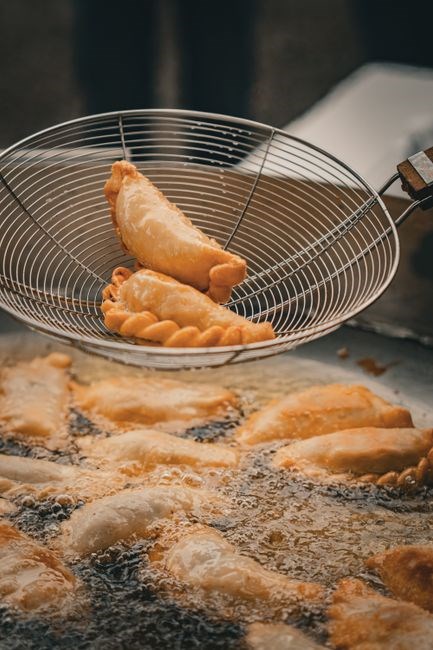
Frying a Turkey (18‑20 lb)
To fry an 18‑20‑lb turkey in the Butterball Deep Fryer‚ first ensure the unit is on a stable‚ heat‑resistant surface and the power cord is connected to a grounded outlet. Fill the 2.75‑gallon reservoir with peanut oil using a funnel‚ allowing the oil to reach 375 °F (191 °C). While the oil heats‚ season the bird inside and out‚ patting it dry and tying the legs. When the temperature stabilizes‚ lower the turkey into the basket with tongs‚ keeping the head down to avoid splatter. Maintain 375 °F for the first 7 minutes‚ then reduce to 325 °F (163 °C) for the remainder of the cook. A 7‑minute per pound rule yields roughly 2 h 45 min for an 18‑lb bird and 3 h 10 min for a 20‑lb bird. Monitor the oil level; add a small amount of oil if it drops below the basket rim. Once the internal temperature reaches 165 °F (74 °C) in the thickest part‚ remove the turkey‚ let it drain‚ and rest on a wire rack for 15 min before carving. Always keep a fire extinguisher nearby‚ never leave the fryer unattended‚ and never exceed the 20‑lb limit to avoid overheating or oil overflow. After use‚ let the oil cool to 120 °F‚ filter‚ and store for future use.
After draining‚ pat the turkey dry‚ brush with melted butter‚ and let it rest 15 minutes before carving. Store unused oil in a sealed container for up to 3 months; discard if dark or rancid. Keep a fire extinguisher nearby and never leave the fryer unattended.
To fry an 18‑20‑lb turkey in the Butterball Deep Fryer‚ first ensure the unit is on a stable‚ heat‑resistant surface and the power cord is connected to a grounded outlet. Fill the 2.75‑gallon reservoir with peanut oil using a funnel‚ allowing the oil to reach 375 °F (191 °C). While the oil heats‚ season the bird inside and out‚ patting it dry and tying the legs. When the temperature stabilizes‚ lower the turkey into the basket with tongs‚ keeping the head down to avoid splatter. Maintain 375 °F for the first 7 minutes‚ then reduce to 325 °F (163 °C) for the remainder of the cook. A 7‑minute per pound rule yields roughly 2 h 45 min for an 18‑lb bird and 3 h 10 min for a 20‑lb bird. Monitor the oil level; add a small amount of oil if it drops below the basket rim. Once the internal temperature reaches 165 °F (74 °C) in the thickest part‚ remove the turkey‚ let it drain‚ and rest on a wire rack for 15 min before carving. Always keep a fire extinguisher nearby‚ never leave the fryer unattended‚ and never exceed the 20‑lb limit to avoid overheating or oil overflow. After use‚ let the oil cool to 120 °F‚ filter‚ and store for future use. Keep a fire extinguisher nearby and never leave the fryer unattended; Enjoy! !!
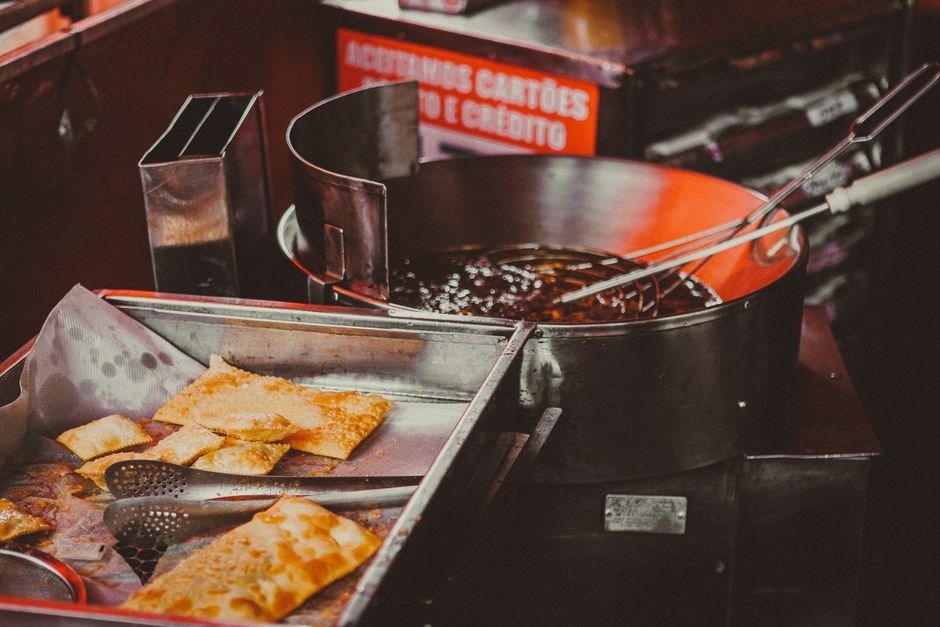
Maintenance and Cleaning
After each use‚ unplug the unit and allow the oil to cool. Wipe the exterior with a damp cloth‚ and rinse the basket and pot with water. Inspect for cracks or damage before next use. Store in a dry place‚ keeping the cover off to prevent dust very buildup!
Daily Cleaning Routine
After each frying session‚ follow these steps to keep your Butterball Deep Fryer in top condition:
- Unplug the unit and let the oil cool to a safe temperature.
- Carefully pour the used oil into a sealed container for proper disposal or future reuse.
- Remove the basket and pot‚ then rinse them with warm‚ soapy water.
- Use a non‑abrasive sponge to wipe the interior of the pot‚ avoiding metal scrapers that could damage the coating.
- Wipe the exterior surfaces with a damp cloth‚ ensuring no oil residue remains.
- Inspect the heating element and electrical connections for any signs of wear or damage.
- Check the oil filter for buildup and clean or replace it as needed.
- Dry all components thoroughly before reassembling and storing the appliance.
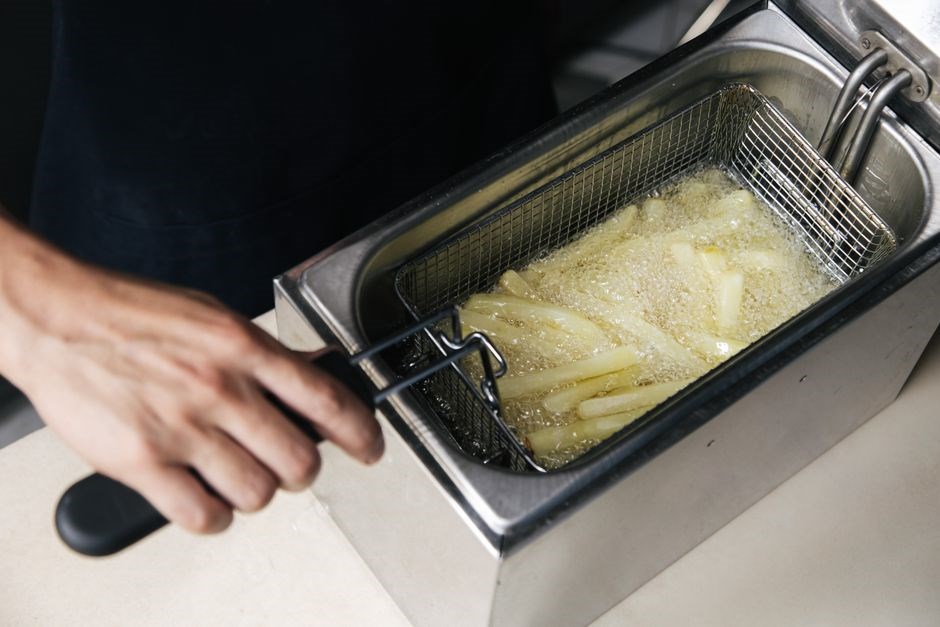
Performing this routine daily ensures safe operation‚ extends the life of the fryer‚ and guarantees a crisp‚ clean cooking experience every time.
Oil Disposal Guidance
When disposing of used frying oil from the Butterball Deep Fryer‚ follow these environmentally responsible steps:
- Allow the oil to cool completely to avoid burns or spills.
- Transfer the cooled oil into a sturdy‚ airtight container—such as a plastic bottle or a sealed tin—label it clearly as “used cooking oil.”
- Check local regulations: many municipalities accept used oil for recycling‚ while others require it to be taken to a hazardous waste facility. Contact your city or county waste department for specific instructions.
- If recycling is available‚ drop the container at a designated collection point or a recycling center that accepts cooking oil. Some community programs even offer pick‑up services for large volumes.
- For households that cannot recycle‚ place the sealed container in a sealed bag and dispose of it with your regular trash‚ ensuring it is completely sealed to prevent leaks.
- Never pour oil down the drain or onto the ground‚ as it can clog pipes and harm wildlife.
- Consider reusing the oil: strain it through a fine mesh or cheesecloth‚ store it in a clean‚ airtight container‚ and use it again for up to three additional frying sessions‚ provided it remains clear of food particles and has not browned.
- After the final use‚ dispose of the oil following the same guidelines to maintain safety and environmental stewardship.
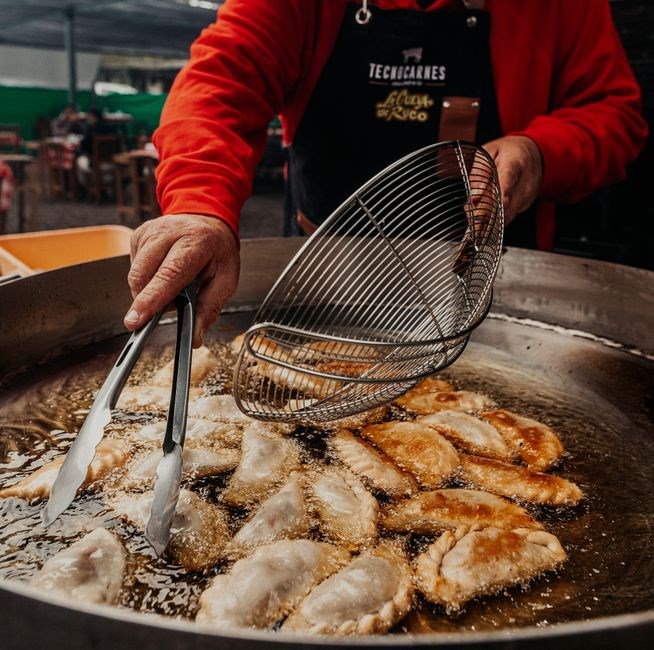
By adhering to these disposal guidelines‚ you help protect plumbing systems‚ reduce landfill waste‚ and promote a cleaner environment while keeping your fryer’s performance optimal.
Additional note: store used oil in a container for reuse.s