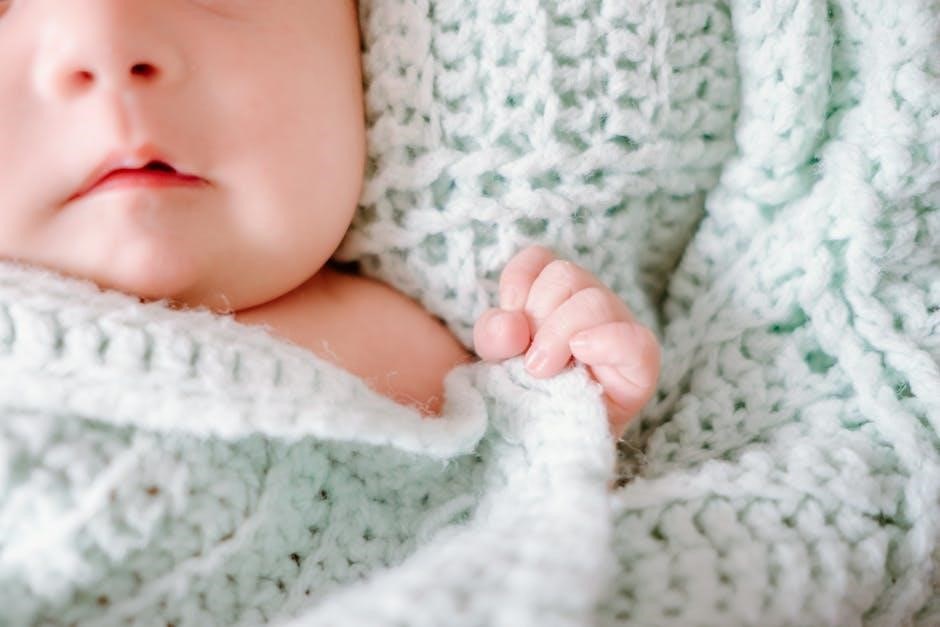
Modern baby blanket knitting offers a rewarding craft, blending tradition with contemporary styles. Free PDF patterns provide accessible projects for knitters of all skill levels, creating cherished heirlooms.
Why Knit a Baby Blanket?
Knitting a baby blanket is a deeply personal and thoughtful gesture, creating a unique keepsake filled with love and warmth. Unlike store-bought items, a hand-knitted blanket embodies time, care, and intention – a tangible expression of affection for the new arrival and their family.
Furthermore, modern baby blanket knitting allows for complete customization. You can select the softest, most hypoallergenic yarns, ensuring comfort for delicate skin. Free PDF patterns unlock a world of design possibilities, from classic textures to contemporary color schemes, perfectly matching the nursery décor or parental preferences. It’s a beautiful way to welcome a little one!
Benefits of Using Free PDF Patterns
Free PDF patterns democratize the art of baby blanket knitting, making it accessible to everyone regardless of budget. They eliminate the cost of purchasing physical patterns, allowing knitters to explore diverse styles and techniques without financial commitment.
These digital patterns are instantly downloadable, enabling immediate project commencement. They often include clear, concise instructions and helpful charts, catering to various skill levels. Utilizing modern baby blanket knitting free PDFs fosters a vibrant online community where knitters share tips, modifications, and finished projects, enhancing the learning experience and providing inspiration.
Popular Modern Baby Blanket Styles
Modern baby blankets showcase diverse aesthetics, from classic chevron and textured stitches to bold color blocking, offering endless creative possibilities for knitters.
Chevron Knit Baby Blankets
Chevron knit baby blankets are a timeless choice, celebrated for their visually striking zig-zag pattern. This classic design adds a dynamic texture and a modern flair to any nursery. Numerous free PDF patterns are available online, catering to various skill levels – from beginner-friendly options utilizing basic knit and purl stitches to more intricate designs for experienced knitters.
The chevron pattern creates a beautiful, rhythmic flow, and the blankets are often knitted using worsted weight yarn for a cozy and substantial feel. Many patterns incorporate a variety of color combinations, allowing for personalized creations. Searching online knitting communities and dedicated pattern websites will reveal a wealth of free chevron baby blanket patterns, inspiring your next knitting project.
Textured Stitch Baby Blankets (e.g., Seed Stitch, Garter Stitch)
Textured stitch baby blankets, employing stitches like seed stitch or garter stitch, offer a wonderfully tactile and visually interesting finish. These patterns are exceptionally popular due to their simplicity and the beautiful, subtle texture they create. Free PDF patterns abound for these styles, making them ideal projects for beginner knitters seeking to build confidence.
Garter stitch, created by knitting every row, results in a reversible fabric with a ridged texture, while seed stitch provides a bumpy, almost quilted appearance. These blankets are incredibly cozy and durable, perfect for keeping little ones warm. Online resources showcase countless free patterns, often with detailed instructions and helpful visuals.
Color Block Baby Blankets
Color block baby blankets represent a modern aesthetic, utilizing bold or pastel shades in geometric arrangements. These designs are visually striking and allow for creative expression through color combinations. Numerous free PDF patterns cater to this trend, offering varying levels of complexity, from simple two-color designs to more intricate multi-block layouts.
Knitters can easily customize these blankets by selecting their preferred color palettes and adjusting the block sizes. The technique typically involves knitting large sections in different colors, creating a clean and contemporary look. Online resources provide inspiration and downloadable patterns for diverse color block styles.
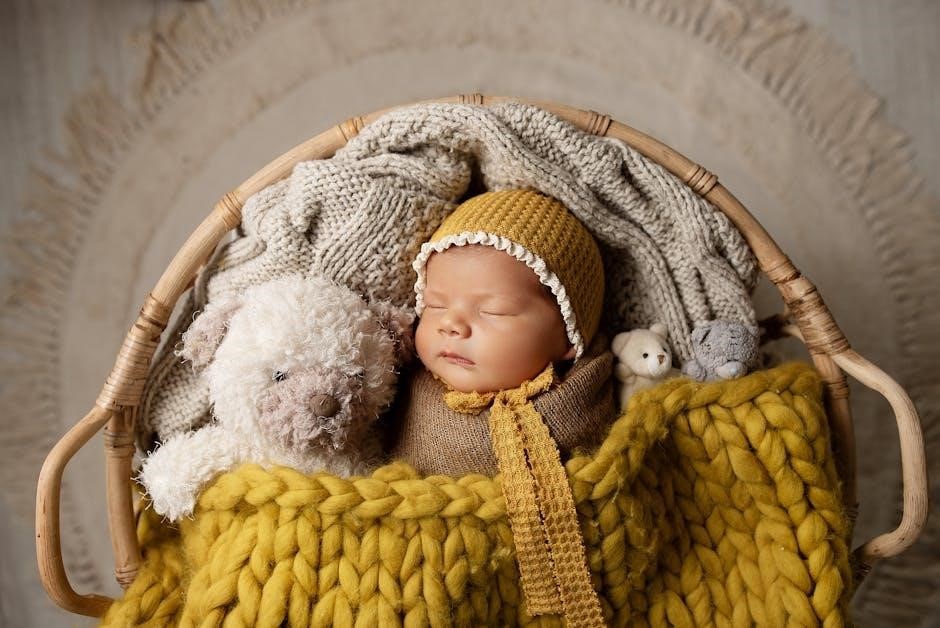
Essential Materials for Knitting
Successful knitting requires quality yarn, appropriate needles, and helpful tools like stitch markers and yarn needles for finishing your beautiful baby blanket project.
Choosing the Right Yarn (Weight, Fiber)
Selecting yarn is crucial for a cozy baby blanket. Worsted weight yarn is popular for its balance of warmth and drape, while DK weight creates a lighter fabric. Consider fiber content; merino wool is incredibly soft but requires gentle washing. Cotton yarn is a durable, washable option, perfect for everyday use. Acrylic yarn offers affordability and easy care.
Superwash wool is another excellent choice, as it’s machine washable. Bamboo yarn provides a silky texture and is naturally hypoallergenic. Always check the pattern’s yarn weight recommendation. Prioritize soft, baby-friendly fibers to ensure comfort and safety for the little one.
Needle Sizes and Types
Needle size significantly impacts the blanket’s texture and drape. Generally, patterns using worsted weight yarn recommend US size 7-9 (4.5-5.5mm) needles. For DK weight, US size 5-7 (3.75-4.5mm) are common. Circular needles are preferred for large projects like blankets, distributing weight comfortably.
Straight needles can also be used, but may become cumbersome. Bamboo needles offer a good grip, while metal needles are faster. Experiment to find your preference! Always swatch to ensure gauge matches the pattern. Adjust needle size if needed to achieve the correct tension.
Other Useful Tools (Stitch Markers, Yarn Needle)
Beyond needles and yarn, several tools enhance the knitting experience. Stitch markers are invaluable for marking pattern repeats, increases, or decreases, ensuring accuracy. A yarn needle (also called a tapestry needle) is essential for weaving in loose ends securely, creating a neat finish.
Scissors are needed for cutting yarn. A row counter helps track progress, especially for complex patterns. Blocking mats and pins are useful for shaping the finished blanket. These tools, though seemingly small, contribute significantly to a polished, professional result.
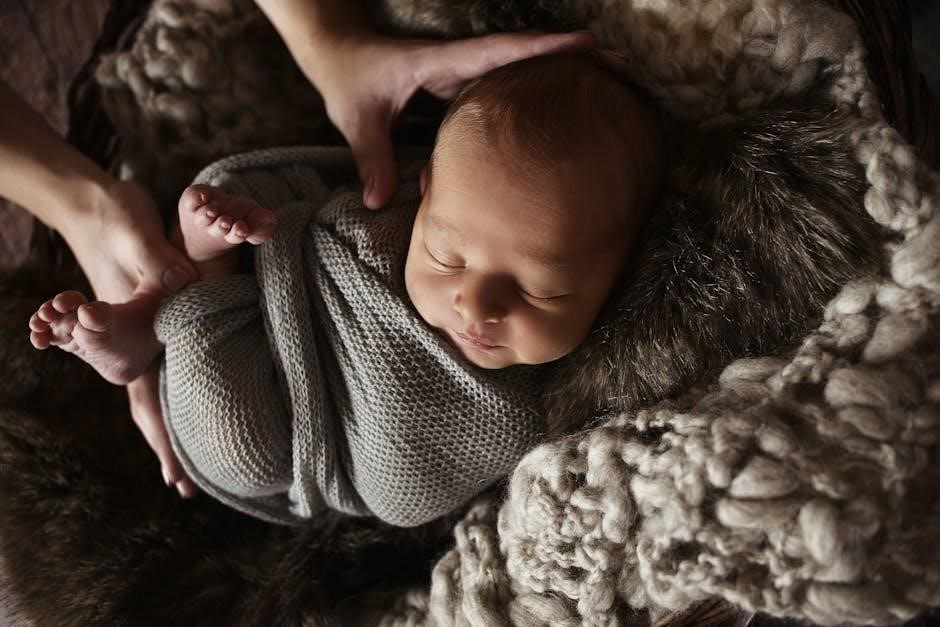
Finding Free PDF Knitting Patterns
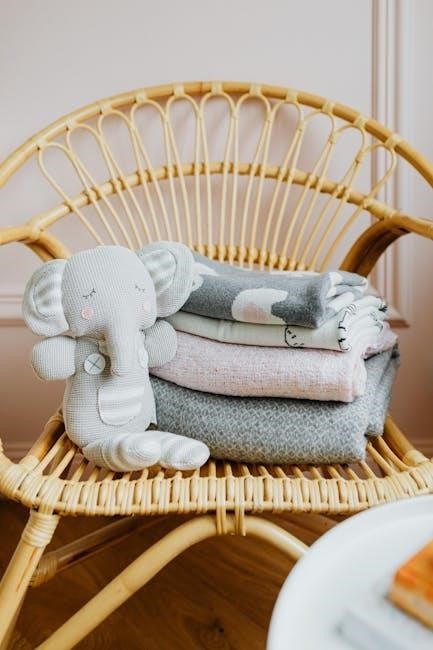
Numerous online resources offer free PDF baby blanket patterns. Websites and online communities provide diverse styles, from simple garter stitch to intricate lace designs for knitters.
Top Websites Offering Free Patterns
Ravelry stands out as a premier destination, boasting an extensive database of user-submitted patterns, including countless free modern baby blanket designs in PDF format. LoveCrafts is another excellent resource, frequently offering exclusive free patterns and promotions. Yarnspirations provides a wide selection of free patterns utilizing their yarn brands, often with detailed instructions and video tutorials.
AllFreeKnitting aggregates free patterns from various sources, simplifying the search process. Don’t overlook Lion Brand Yarn’s website, which features a dedicated section for free baby blanket patterns. Finally, many independent knitting bloggers and designers share their creations freely on platforms like WordPress and Etsy, offering unique and stylish options.
Searching for Specific Styles & Stitches
When seeking a modern baby blanket knitting pattern in PDF format, utilize precise keywords. Combine terms like “free,” “baby blanket,” “knit,” and desired styles – “chevron,” “color block,” or “textured.” Specify stitches like “garter stitch,” “seed stitch,” or “cable knit” for focused results.
Most pattern websites offer filtering options. Refine searches by yarn weight (DK, worsted), blanket size, and difficulty level. Ravelry’s advanced search is particularly powerful, allowing searches by specific yarn types and construction techniques. Explore pattern tags and designer names for similar designs you enjoy.
Understanding Pattern Abbreviations
Modern baby blanket knitting patterns, often in PDF format, heavily utilize abbreviations to conserve space. Common ones include ‘k’ for knit, ‘p’ for purl, ‘st(s)’ for stitch(es), ‘rep’ for repeat, and ‘inc’ for increase. Understanding these is crucial for accurate knitting.
PDF patterns usually include a key defining all abbreviations used. If unclear, online knitting glossaries are invaluable resources. Pay attention to instructions like “K2tog” (knit two together – a decrease) or “YO” (yarn over – creates a hole). Familiarizing yourself with these saves frustration and ensures a successful project.
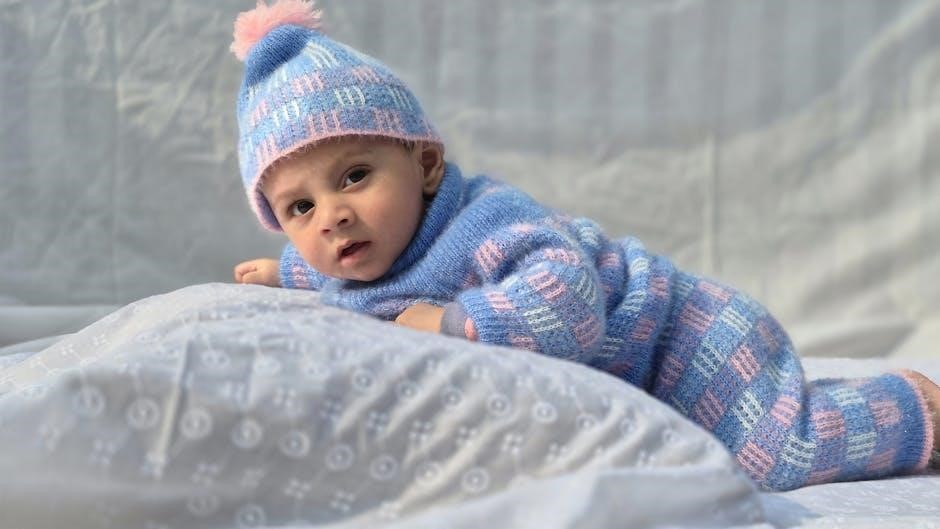
Detailed Pattern Example: Simple Garter Stitch Blanket
A classic garter stitch blanket is perfect for beginners! This simple pattern, readily available as a free PDF, creates a cozy and timeless baby keepsake.
Materials List for Garter Stitch Blanket
For a beautifully simple garter stitch baby blanket, you’ll need approximately 400-600 yards of worsted weight yarn – consider a soft, baby-friendly fiber like cotton or acrylic. The yarn choice significantly impacts the blanket’s feel and washability.
You’ll also require US size 8 (5mm) knitting needles; straight or circular needles work equally well, depending on your preference. A yarn needle for weaving in those pesky ends is essential, as is a pair of scissors for trimming.
Optional, but helpful, are stitch markers to delineate rows, especially for beginners. Finally, a blocking mat and pins will help achieve a polished, professional finish after completing your lovely handmade gift!
Step-by-Step Knitting Instructions
To begin, cast on 80-100 stitches – the number determines blanket width. Then, simply knit every row until the blanket reaches your desired length, typically around 36 inches for a standard baby size. This repetitive knit stitch creates the classic garter stitch texture.
Maintain consistent tension throughout for an even fabric. Regularly check your gauge to ensure the blanket grows at the intended rate. Don’t be afraid to pause and review tutorials if you encounter any difficulties.
Remember to knit slowly and enjoy the process – each stitch contributes to a treasured keepsake!
Finishing Techniques (Weaving in Ends, Blocking)
Once knitting is complete, carefully weave in all loose yarn ends using a yarn needle. This secures the stitches and prevents unraveling, ensuring a durable blanket. Next, consider blocking – a process that evens out stitches and enhances the blanket’s drape.
To block, gently wet the blanket, lay it flat, and shape it to the desired dimensions. Pin in place and allow it to dry completely. Blocking refines the finished look, creating a professional and polished result.
These final touches elevate your handmade creation!
Advanced Techniques for Modern Blankets
Elevate your knitting with colorwork, cables, and lace! These techniques add texture and intricate designs, transforming simple blankets into stunning, modern heirlooms.
Colorwork knitting introduces vibrant designs by utilizing two or more yarn colors within a single row. This technique creates patterns like stripes, Fair Isle motifs, or intarsia blocks, adding visual interest to baby blankets. Mastering colorwork requires understanding yarn management – keeping floats (the yarn strands carried across the back) neat and even prevents puckering.
Beginners can start with simple striped patterns, gradually progressing to more complex designs. Free PDF patterns often include detailed charts and instructions for color placement. Remember to choose contrasting colors for a striking effect, and consider the yarn weight to maintain consistent fabric density. Colorwork elevates a basic blanket into a personalized, artistic creation.
Cable Knitting for Textured Designs
Cable knitting introduces beautiful, raised textures to baby blankets by interweaving stitches. This classic technique creates designs resembling ropes or braids, adding a sophisticated touch. Cables are formed by temporarily holding stitches out of work and then knitting them together with others, creating a twisted effect.
While seemingly complex, many free PDF patterns offer beginner-friendly cable designs. Using a cable needle is essential for managing the held stitches. Start with small, simple cables before tackling intricate patterns. Consider the yarn weight; chunkier yarns showcase cable definition more effectively. Cable knitting transforms a simple blanket into a luxurious, tactile heirloom.
Lace Knitting for Delicate Patterns
Lace knitting creates airy, openwork designs in baby blankets, offering a delicate and elegant aesthetic. This technique involves strategically creating holes within the fabric using yarn overs and decreases. Lace patterns range from simple eyelet rows to complex motifs, adding a touch of sophistication.
Free PDF patterns often include charts and written instructions for lace designs. Blocking is crucial for revealing the lace pattern’s full beauty, gently shaping and opening the stitches. Softer yarns, like merino or cashmere, enhance the drape and delicate appearance. Lace blankets are lightweight and breathable, perfect for year-round use.
Customization Options
Personalize your knitted baby blanket with size adjustments, monograms, or appliques, reflecting unique style and creating a truly special, handmade gift.
Adjusting Blanket Size
Modifying a baby blanket’s dimensions is easily achievable with basic knitting principles. Altering the width involves adjusting the number of stitches cast on initially; more stitches yield a wider blanket. To change the length, simply knit additional rows beyond those specified in the pattern.
Remember to maintain gauge – the number of stitches and rows per inch – for consistent results. If your gauge differs from the pattern, recalculate stitch counts accordingly. For a larger blanket, consider using a heavier weight yarn, but this may necessitate larger needles. Conversely, a lighter yarn and smaller needles will create a smaller, more compact blanket. Always knit a gauge swatch before beginning your project!
Personalizing with Monograms or Appliques
Adding a personal touch elevates a knitted baby blanket from lovely to truly special. Monograms, knitted directly into the fabric using intarsia or duplicate stitch techniques, offer a classic customization. Alternatively, crocheted appliques – hearts, stars, or animal shapes – can be sewn onto the finished blanket for a charming effect.
Consider using contrasting yarn colors for visual impact. Felt shapes, carefully secured with embroidery floss, also provide a durable and decorative option. Ensure any embellishments are securely attached to prevent choking hazards for the baby. A personalized blanket becomes a treasured keepsake, reflecting thoughtfulness and care.
Choosing Color Palettes
Selecting a color palette is crucial for a modern aesthetic. Soft pastels – mint green, baby blue, blush pink – remain popular choices, evoking a sense of calm and serenity. However, don’t shy away from bolder options! Mustard yellow, terracotta, or even muted jewel tones can create a striking and contemporary blanket.
Consider gender-neutral palettes like grays, creams, and whites, accented with pops of color. Explore online color scheme generators for inspiration. Remember to consider yarn weight and texture when visualizing the final result. A well-chosen palette enhances the blanket’s overall appeal.
Resources and Further Learning
Expand your skills through online communities, knitting books, and websites. These resources offer tutorials, pattern support, and troubleshooting advice for knitters.
Online Knitting Communities and Forums
Dive into vibrant online knitting communities! Ravelry stands out as a premier platform, offering extensive pattern databases – including numerous free modern baby blanket PDFs – and active forums. These forums are invaluable for seeking advice, sharing projects, and receiving pattern help from experienced knitters.
Facebook groups dedicated to knitting, and specifically baby blanket knitting, provide another avenue for connection and inspiration. Websites like KnitPicks also host forums where knitters can exchange ideas and troubleshoot challenges. Participating in these communities fosters learning, provides encouragement, and unlocks a wealth of knowledge regarding modern blanket designs and techniques.
Recommended Knitting Books and Websites
Expand your skills with curated resources! Websites like LoveCrafts and Yarnspirations offer extensive collections of free modern baby blanket knitting patterns in PDF format, alongside paid options. For structured learning, consider books focusing on baby blanket designs or stitch techniques.
“Knitting for Babies” by DK provides a solid foundation, while exploring Ravelry’s pattern library reveals countless contemporary designs. Websites dedicated to specific yarn brands often feature exclusive free patterns. Remember to check publisher websites for downloadable PDFs and explore blogs showcasing modern blanket projects for inspiration and guidance.
Troubleshooting Common Knitting Problems
Encountering snags? Don’t despair! Dropped stitches are easily fixed with a crochet hook, while uneven edges often stem from inconsistent tension – practice makes perfect. Holes can be addressed by carefully weaving in the yarn ends. When following a free PDF modern baby blanket pattern, double-check stitch counts regularly.
If your blanket curls, try blocking; this evens out the fabric. Tangled yarn? Rewind slowly! Online knitting communities (Ravelry is excellent) offer support and solutions. YouTube tutorials visually demonstrate fixes for common issues, ensuring a smooth knitting experience.